Why Sharing Your Personal Story Is Good for Your Health
Sharing your personal story can support memory, emotional wellbeing, identity, and family connection. Here is why a simple weekly storytelling habit matters.
Posted by
 VoiceWeave Team
Related reading
50 Questions to Ask Your Parents While You Still Can
50 meaningful questions to ask your parents before it's too late — ordered from easy openers to the deep ones, with tips for recording their answers.
101 Questions to Ask Your Grandparents About Their Life
101 questions to ask grandparents about their life, organized by life chapter — plus research-backed interview tips to get real stories, not one-word answers.
7 Best Apps Like Storyworth to Capture Family Memories (2026)
Looking for apps like Storyworth? Compare the 7 best Storyworth alternatives for capturing family memories, from weekly phone calls to voice recording apps.
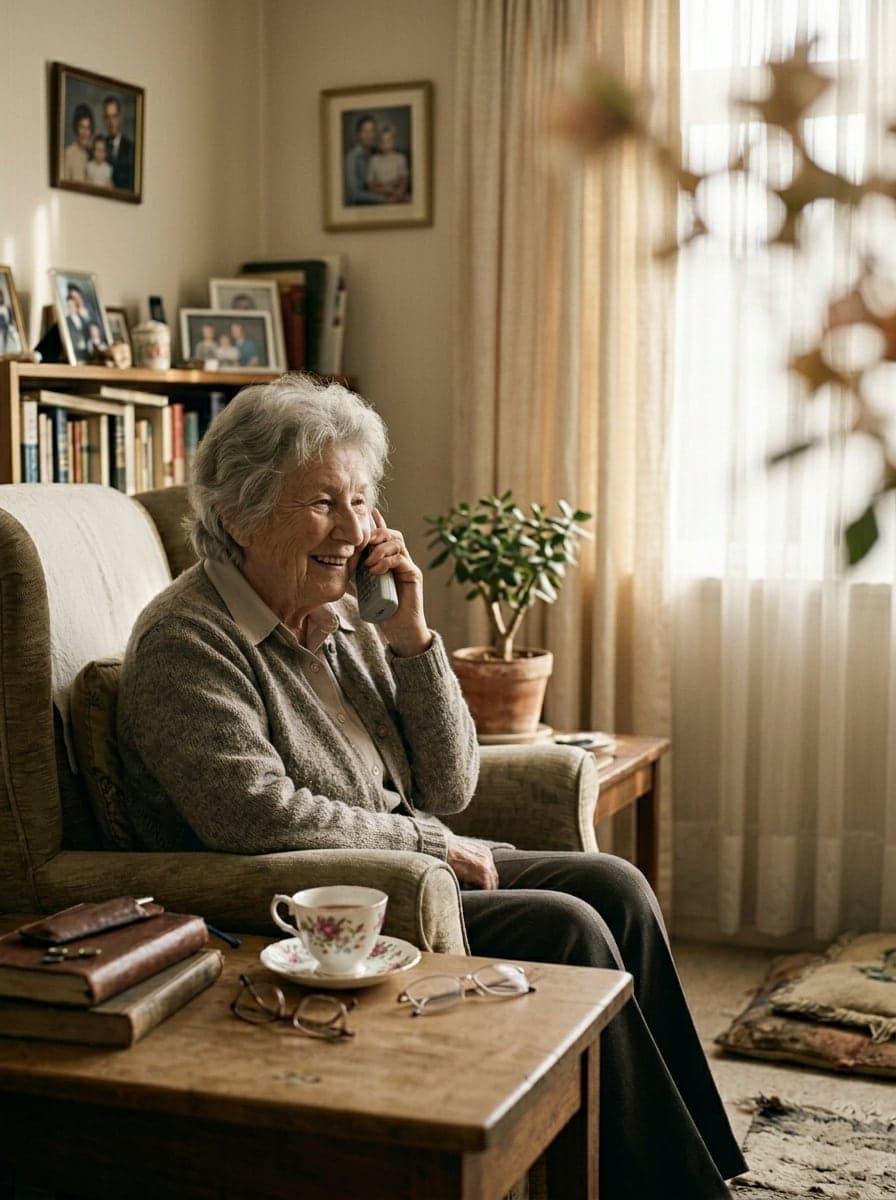
Most families wait until a health scare to start asking deeper life-story questions. By then, some of the best details are already harder to reach. But it is never too late to begin. Even if you start now, your stories and reflections are always valuable, and sharing them can make a real difference for you and your loved ones.
That is a loss for the family, but it is also a missed health habit for the person telling the story. The benefits go deeper than just preserving memories. They also affect your wellbeing.
Talking through old memories can help keep the mind engaged, ease emotional pressure, strengthen identity, and deepen connection. You do not need to write a memoir to get those benefits. One weekly conversation is enough to start.
1. Remembering Your Life Exercises Your Brain
Telling a story from your past takes real mental work. You recall people, places, timelines, and details. You connect events that happened years apart and decide what mattered.
That is more than nostalgia. It is memory practice.
For older adults, regular story recall can help keep memory active and support attention over time. It is not a treatment for cognitive decline, and it will not fix every memory problem. If you find that you cannot remember every detail or draw a blank on certain years, that is completely normal. Small memories and fragments are still valuable, and even recalling bits and pieces can make a difference. Like any healthy habit, steady practice can support mental engagement.
Think of it as a memory exercise. One session will not change everything, but regular sessions add up.
2. Storytelling Helps You Process Hard Experiences
Some experiences stay heavy because they have never fully been put into words. That might be grief, regret, fear, or a chapter that still feels unfinished.
Putting those experiences into words can lower emotional pressure. You move a memory from a vague feeling into a story you can actually look at. That shift often makes the experience feel less chaotic and more manageable.
You do not need to force painful stories. You can move at your own pace, and it is always your choice what to share and what to keep private. Setting boundaries is healthy, and you should only tell stories that you feel comfortable sharing. When you are ready, sharing can be a healthy way to process what happened and what you learned from it.
3. Sharing Your Story Strengthens Identity and Self-Worth
As people age, conversations often focus more on what they need than on who they are. Storytelling changes that.
When someone asks thoughtful questions and listens, you get to define your life in your own words. You are not reduced to a role, a diagnosis, or a daily routine. You are a full person with history, values, choices, and lessons.
That matters for emotional health. A stronger sense of identity can support resilience, especially during major life transitions like retirement, caregiving, or loss.
4. Life Review Can Reduce Stress and Improve Mood
Not every memory is easy. Many of them are grounded.
Recalling moments of love, humor, pride, and connection can help you feel calmer in the moment and lighter afterward. Even a brief reflection on good memories can shift the tone of a day.
Harder stories can help, too, when they are shared in a supportive setting. You get perspective. You notice what you survived. You see your own strengths more clearly.
Over time, that pattern can support emotional stability.
5. Telling Stories Builds a Stronger Family Connection
Health is not only about what happens inside your body. Relationships shape it too.
When families hear personal stories, they understand each other better. Adult children see their parents as people, not just parents. Grandchildren gain context for values, traditions, and decisions.
That understanding can reduce conflict, increase empathy, and ease communication. Feeling known is a core part of wellness.
6. Your Story Gives Others a Map for Their Own Life
Stories do more than preserve facts. They pass down coping strategies, family history, and perspective.
When you explain how you handled fear, change, work, love, or loss, you give your family tools they can use. That kind of guidance can shape how your family handles hard seasons.
It can also help your family feel less alone when life gets hard.
7. A Regular Storytelling Habit Creates Structure and Purpose
Routine matters more than most people think.
A weekly storytelling call gives people something to look forward to. It creates rhythm and reinforces the idea that your voice matters and that your experiences are worth saving.
Looking forward to conversations matters, especially later in life. Feeling useful and heard often boosts mood, motivation, and engagement.
You Do Not Need Perfect Stories
Many people hesitate because they think their life is not interesting enough. But the routines, small moments, and ordinary experiences are often the most meaningful parts of family history. Everyday stories shape how families remember, understand, and connect with each other.
That is almost never true. Ordinary stories are often the most meaningful ones: the first apartment, the job you almost quit, the neighbor who changed your week, the meal everyone still talks about.
You are not trying to perform. You are trying to remember.
A Simple Way to Start This Week
If you want the health benefits of life review, keep it simple:
- Pick one person and one 10-minute time each week.
- Ask one open question.
- Listen without rushing to the next prompt.
- Record or write down what you hear.
- Come back next week.
Start with questions like:
- What did a normal day look like when you were 25?
- Who shaped how you saw the world when you were young?
- What decision changed your life more than you expected?
Consistency matters more than depth on day one.
Final Thought
Sharing your personal story is not only a gift to your family. It is a healthy practice for you, too.
You strengthen memory, process emotion, build connections, and reinforce purpose.
And you create a living record of a life that deserves to be remembered.
This article is educational. It is not medical advice. If someone in your family is dealing with depression, trauma, or memory loss, talk with a qualified health professional for personal guidance.
If you want a simple way to build this into your routine, try VoiceWeave today. VoiceWeave calls your loved one each week and guides a natural conversation by phone with thoughtful follow-up questions. No app or computer is required on the storyteller's end. They just answer the phone and talk. Participation is always voluntary, conversations are private, and you can set boundaries about what is shared. If any concerns come up, support is available to help.